Eco-Friendly Practices for a Sustainable Backyard
Creating a sustainable backyard is more than a trend; it’s a lifestyle choice that benefits your home, community, and the planet. By using eco-friendly practices, you can reduce waste, save water, support local wildlife, and create a beautiful outdoor space that thrives naturally. Whether you’re working with a small garden or a sprawling yard, there are practical steps you can take to make your backyard both inviting and environmentally friendly.
Why Focus on a Sustainable Backyard?
A sustainable backyard is designed with long-term health in mind. It conserves resources, reduces harmful chemicals, and creates a balanced ecosystem where plants, animals, and humans coexist in harmony. Beyond the environmental benefits, a sustainable yard often requires less maintenance and can even save you money over time.
Composting for a Healthier Garden
One of the easiest ways to reduce waste and improve your soil is through composting. By collecting kitchen scraps, leaves, and yard clippings, you can create rich compost that nourishes your garden without synthetic fertilizers. Composting also reduces landfill waste and greenhouse gases, making it a win for both your garden and the environment.
Choosing Native Plants
Native plants are perfectly adapted to your local climate and soil conditions, making them an essential part of a sustainable backyard. They require less water, resist pests naturally, and provide food and shelter for pollinators like bees and butterflies. Planting native flowers, shrubs, and grasses ensures your yard thrives with minimal effort while supporting local ecosystems.
Looking for inspiration? The National Wildlife Federation offers excellent resources on native plants for every region.
Water-Saving Practices
Conserving water is a cornerstone of sustainability. Some easy adjustments include:
- Installing a rain barrel to collect runoff for garden use.
- Using drip irrigation instead of sprinklers to minimize water waste.
- Grouping plants with similar water needs together.
- Watering in the early morning or evening to reduce evaporation.
Not only do these practices save water, but they also help keep your utility bills lower.
Eco-Friendly Lawn Alternatives
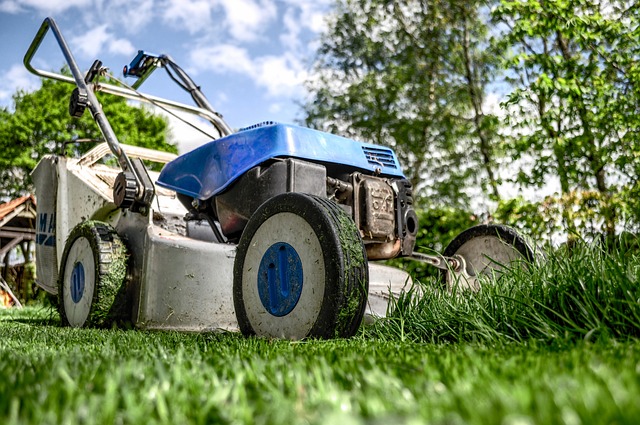
Traditional lawns require frequent mowing, watering, and chemical treatments. To make your yard more sustainable, consider alternatives such as:
- Clover lawns that stay green with minimal care.
- Ground covers like creeping thyme or moss for soft, low-maintenance greenery.
- Reduced lawn areas paired with garden beds, stone pathways, or patio furniture zones.
These alternatives reduce chemical use, save water, and encourage biodiversity.
Incorporating Wildlife Habitats
A sustainable backyard should also support local wildlife. You can create habitats by adding birdhouses, bee hotels, and butterfly gardens. Planting a mix of flowering plants ensures pollinators have food throughout the seasons. Not only does this benefit the ecosystem, but it also brings life and color to your outdoor space.
For more wildlife-friendly ideas, see our guide on attracting birds and butterflies.
Using Durable, Natural Materials
When adding structures or furniture to your yard, choose materials that last. Cedar and teak furniture, for example, are naturally resistant to rot and require less maintenance than synthetic options. Investing in durable, natural materials means fewer replacements and less waste in the long run. Explore cedar patio furniture for eco-friendly seating options that align with sustainable living.
Reducing Chemical Use
Synthetic pesticides and fertilizers can harm beneficial insects, wildlife, and soil health. Instead, opt for natural solutions like compost, mulch, and organic pest control. Healthy soil and native plants often eliminate the need for harsh chemicals.
Repurposing and Recycling in the Garden
Sustainability also means reusing what you already have. Old wooden pallets can become planters, and reclaimed stone or brick can make charming garden borders. Even kitchen containers can be repurposed as seed starters. These small changes reduce waste and add personality to your backyard.
Building a Truly Sustainable Backyard
A sustainable backyard isn’t created overnight, but every small step makes a difference. By composting, choosing native plants, saving water, and reducing chemical use, you’ll build an outdoor space that benefits both your family and the environment. Durable furniture, wildlife-friendly habitats, and creative reuse of materials will ensure your backyard remains beautiful, functional, and eco-conscious for years to come.
FAQ about creating a sustainable backyard
What’s the first step in creating a sustainable backyard?
Start small by composting kitchen and yard waste. It’s easy, cost-effective, and improves soil health.
Do sustainable backyards require less maintenance?
Yes. Native plants, reduced lawn areas, and compost-enriched soil generally require less watering and fewer chemicals.
Can I still have a lawn in a sustainable backyard?
Absolutely, but consider reducing its size or replacing part of it with eco-friendly alternatives like clover or ground covers.