Container Gardening Success: Powerful Tips for Thriving Green Spaces
Not everyone has acres of land to cultivate, but that doesn’t mean you can’t enjoy a thriving garden. With container gardening, you can grow flowers, herbs, and vegetables in even the smallest spaces. Whether you’re working with a balcony, patio, or cozy backyard corner, mastering container gardening gives you the freedom to design a lush, vibrant space that fits your lifestyle.
Why Choose Container Gardening?
Container gardening is one of the most versatile and accessible ways to grow plants. It requires minimal space, can be adapted to any environment, and allows you to move plants as needed. For city dwellers with balconies, homeowners with patios, or anyone wanting to add greenery close to seating areas, containers provide a flexible solution.
According to the University of Minnesota Extension, container gardens are especially useful for those dealing with poor soil conditions or limited mobility because containers can be raised to a comfortable height.
Picking the Right Containers
The success of container gardening often depends on the container itself. Consider these tips when selecting pots and planters:
- Size matters: Larger containers retain moisture better and give roots more room to grow.
- Drainage is essential: Look for containers with drainage holes to prevent root rot.
- Materials: Clay pots are breathable, plastic retains water longer, and wood adds a rustic touch.
- Style: Choose containers that complement your outdoor furniture, such as pairing cedar planters with cedar patio chairs.
Choosing Plants for Container Gardening
One of the joys of container gardening is the variety of plants you can grow. Depending on your preferences, you might fill containers with colorful flowers, fragrant herbs, or even compact vegetables.
Great plant choices include:
- Flowers: Petunias, geraniums, and marigolds.
- Herbs: Basil, rosemary, thyme, and mint.
- Vegetables: Tomatoes, peppers, lettuce, and dwarf beans.
The Better Homes & Gardens container gardening guide offers excellent inspiration for mixing plant types, colors, and textures to create stunning arrangements in pots.
Soil and Fertilizer Tips
Unlike traditional gardens, containers rely on potting mix rather than garden soil. Choose a high-quality potting mix that’s lightweight and nutrient-rich.
- Add compost or slow-release fertilizer to keep plants thriving.
- Refresh soil every season to avoid nutrient depletion.
- Water regularly, as containers dry out faster than the ground soil.
Light and Watering Needs
Pay close attention to sunlight when arranging your containers. Most vegetables and herbs need six to eight hours of direct sun per day, while some flowers thrive in partial shade.
Watering is equally important. Check containers daily in hot weather and water thoroughly until water runs from the drainage holes. For convenience, group containers with similar watering needs together.
Creative Design Ideas for Container Gardening
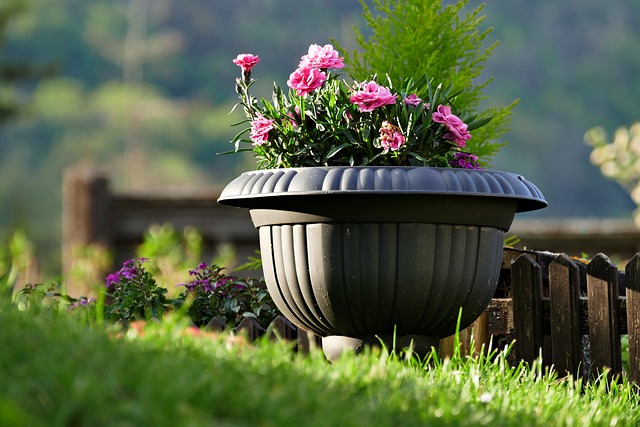
Container gardening isn’t just functional; it’s also a chance to express creativity. Consider these design ideas:
- Use tiered plant stands to create vertical interest.
- Mix flowers and herbs in the same pot for beauty and practicality.
- Add hanging baskets for trailing plants.
- Place large containers around a patio seating area, such as next to a teak dining set, to create a natural border.
Seasonal Container Gardening
Container gardens can evolve with the seasons:
- Spring: Plant pansies, snapdragons, and herbs.
- Summer: Fill containers with vibrant annuals and heat-tolerant veggies.
- Fall: Add mums, ornamental kale, and pumpkins for festive décor.
- Winter: Evergreen shrubs and decorative branches provide structure and color.
Creative Ways to Elevate Your Container Gardening
One of the best things about container gardening is its flexibility. You can move plants to follow the sun, swap out seasonal blooms, or experiment with different designs without committing to permanent landscaping. Consider mixing edibles and ornamentals in the same container for both beauty and function.
A pot filled with cherry tomatoes, basil, and marigolds looks vibrant while also repelling pests naturally. Vertical gardening techniques also pair beautifully with containers, stack pots, use wall planters, or add trellises for climbing vegetables like peas and beans. These approaches save space and bring new dimensions to your outdoor area. For urban gardeners with limited square footage, container setups can transform a small balcony or patio into a lush, productive retreat. With a little imagination, container gardening becomes more than just practical; it becomes a creative expression of your personal style.
Making the Most of Small Spaces
Mastering container gardening is about maximizing whatever space you have. Balconies, patios, and porches can all be transformed into lively, functional gardens. By choosing the right containers, plants, and design elements, you’ll create a welcoming retreat that reflects your personality. Pair your container garden with durable cedar outdoor furniture, garden beds, and planters for a space that’s as comfortable as it is beautiful.
FAQ
What vegetables grow best in containers?
Tomatoes, peppers, lettuce, beans, and cucumbers thrive in container gardening setups.
How often should I water container plants?
Check daily, especially in hot weather. Containers dry out faster than garden beds and may need watering once or twice a day.
Can container gardening work in shaded areas?
Yes. Plants like ferns, hostas, and impatiens do well in partial to full shade.