
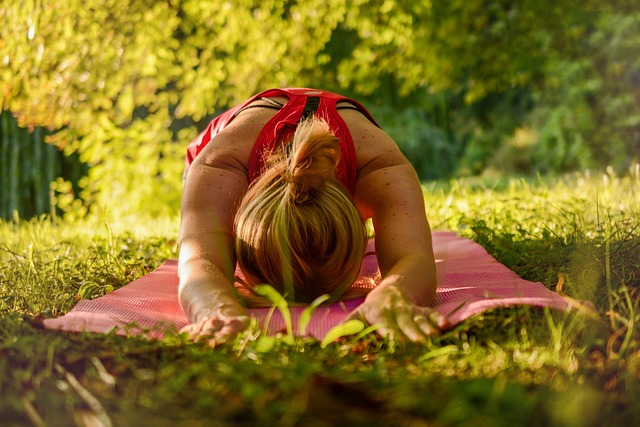
10 Benefits of Outdoor Yoga and Meditation for Mind and Body
Finding a quiet moment can be difficult when your day is filled with work, screens, schedules, notifications, and responsibilities. One simple way to create more space for yourself is to take your yoga or meditation practice outside. The benefits of outdoor yoga and meditation extend beyond changing the scenery. Practicing in nature can create an environment that encourages movement, mindfulness, relaxation, and a stronger connection with the world around you.
You do not need a mountaintop retreat or secluded beach to experience the benefits of outdoor yoga and meditation. A backyard, patio, garden, neighborhood park, or quiet corner beneath a tree can provide an inviting setting.
Fresh air replaces indoor ventilation. Natural sounds replace televisions and electronics. Sunlight, plants, birds, moving clouds, and changing temperatures give your senses something real to notice.
Those small changes can alter the entire experience.
Research into nature-based mindfulness has also produced encouraging results. A systematic review and meta-analysis published on PubMed involving 25 studies and 2,990 participants found positive overall psychological, physiological, and interpersonal effects from mindfulness practices conducted in natural settings.
For anyone interested in making greater use of a backyard or outdoor living space, the benefits of outdoor yoga and meditation provide another reason to step outside.
What Are the Benefits of Outdoor Yoga and Meditation?
The benefits of outdoor yoga and meditation come from combining several practices that can support well-being: intentional movement, controlled breathing, mindfulness, time outdoors, and contact with nature.
Yoga encourages you to focus on breathing, posture, balance, flexibility, and physical awareness. Meditation asks you to observe thoughts, sensations, sounds, and breathing without constantly reacting to them.
Moving these practices outdoors introduces another element: the natural environment.
Instead of practicing while surrounded by walls, you may hear birds, feel a breeze, notice sunlight moving across the ground, or smell nearby flowers and trees. These sensations can become part of your mindfulness practice.
You may also find that outdoor practice changes your relationship with your backyard. A space that once existed primarily for entertaining, gardening, or relaxing can become a place you intentionally visit for a few quiet minutes each day.
Here are 10 of the most important benefits of outdoor yoga and meditation to consider.
1. Outdoor Yoga and Meditation Can Help Reduce Stress
Stress is one of the primary reasons people explore yoga, meditation, and mindfulness.
Taking those practices outside may create an especially useful setting for stepping away from everyday demands.
Research into nature-based activities has associated time in natural environments with improvements in several measures of mental well-being. Structured activities conducted outdoors may support relaxation, improve mood, and create opportunities to step away from everyday pressures.
That does not mean sitting beneath a tree instantly eliminates stress. It means the environment in which you practice may support the larger process of slowing down and directing your attention elsewhere.
One of the benefits of outdoor yoga and meditation is simply creating separation.
You leave the desk.
You put down the phone.
You step away from household tasks.
You move into a different environment with a specific purpose.
During yoga, your attention can shift toward your breathing and the position of your body. During meditation, you might concentrate on the sound of leaves, passing clouds, or the feeling of air against your skin.
Even a short session can establish a deliberate break in your day.
Try starting with 10 or 15 minutes. A sustainable routine usually matters more than creating an ambitious practice you struggle to maintain.
2. Nature Can Encourage Greater Mindfulness
Mindfulness centers on paying attention to what is happening in the present moment.
The outdoors gives you plenty to notice.
Close your eyes in your backyard and listen. You may hear several layers of sound that you normally ignore: birds, insects, distant traffic, rustling trees, footsteps, wind, or water.
Open your eyes and observe light, colors, movement, textures, and shadows.
These details create natural points of focus.
That makes increased mindfulness one of the most compelling benefits of outdoor yoga and meditation.
During an indoor meditation session, you may work hard to identify something on which to focus. Outdoors, sensory experiences are constantly occurring around you.
Try a simple exercise before beginning your next session.
Stand or sit quietly for one minute.
Notice five things you can see.
Identify several sounds.
Notice the temperature of the air.
Feel the surface beneath your feet.
Take several slow breaths.
You have already begun practicing mindfulness before moving into your first yoga pose or formal meditation.
3. Outdoor Practice Creates a Stronger Connection With Nature
Many people spend much of the day indoors.
Work takes place in offices or homes. Meals happen inside. Entertainment increasingly involves screens. Even exercise often takes place in gyms.
Practicing outside intentionally brings nature back into your routine.
Among the benefits of outdoor yoga and meditation, this sense of connection can be difficult to measure yet easy to experience.
Consider the difference between performing a morning yoga sequence under fluorescent lights and practicing while watching the sun rise over your backyard.
The movements may be identical.
The experience can feel completely different.
You begin noticing changes in your surroundings. Spring flowers appear. Summer mornings become warmer. Leaves change during fall. Bird activity changes throughout the year.
Your yoga space becomes part of a living environment.
Meditation can deepen this connection further because you intentionally spend time observing instead of trying to accomplish something.
There is no lawn to mow.
There are no weeds to pull.
There is no patio project to complete.
For a few minutes, your only job is to be present in the space you have created.
4. Outdoor Yoga Challenges Balance and Body Awareness
Yoga already requires balance, coordination, stability, and awareness of body position.
Practicing outside can introduce another challenge.
Grass, packed soil, sand, decking, and other outdoor surfaces may be less uniform than a studio floor. Small differences in the surface can require subtle adjustments from your feet, ankles, legs, hips, and core.
This makes physical awareness another of the potential benefits of outdoor yoga and meditation, particularly during standing poses.
Think about Tree Pose on a perfectly level hardwood floor compared with Tree Pose on firm grass.
Your body may need to make tiny corrections to remain stable.
Those adjustments can make you more conscious of where you place your feet, how your weight is distributed, and which muscles you are using.
The key is choosing an appropriate surface.
Avoid holes, loose stones, wet decking, unstable ground, exposed roots, or other hazards. Beginners may prefer a yoga mat placed on a relatively flat patio, deck, or section of lawn.
Your outdoor practice should create a manageable challenge.
5. Natural Light Can Help You Feel More Connected to the Time of Day
An indoor room can look nearly identical at 7 a.m., noon, and 7 p.m.
Outside, the environment changes constantly.
Morning light can make an early practice feel like the beginning of the day. Late-afternoon light creates a different atmosphere. Sunset can provide a natural transition from activity into rest.
This connection to the time of day is one of the overlooked benefits of outdoor yoga and meditation.
A morning routine might consist of stretching, several standing poses, and five minutes of breathing before work.
An evening routine might use slower movements followed by seated meditation as the sun begins to set.
You can allow the environment to influence your practice.
During hot weather, early morning may provide comfortable temperatures and shade.
During cooler months, midday sunlight might make an outdoor session more inviting.
Experiment with finding the part of the day that works best for your climate, backyard, and schedule.
6. Outdoor Meditation Can Encourage Deeper Sensory Awareness
Meditation does not require complete silence.
Learning to notice sounds without immediately judging or reacting to them can become part of the practice.
That is another reason the benefits of outdoor yoga and meditation can extend beyond physical exercise.
Sit comfortably and close your eyes.
Perhaps a bird calls nearby.
A car passes.
Wind moves through the trees.
A dog barks several houses away.
Instead of labeling these sounds as interruptions, notice them and allow them to pass.
The same approach works with physical sensations.
Notice warmth from the sun.
Feel the breeze.
Observe where your body touches the chair, cushion, bench, deck, or ground.
Notice the rhythm of your breath.
Outdoor meditation turns the environment into part of the exercise.
Over time, you may become better at observing sensations and thoughts without feeling the need to respond immediately to each one.
7. Yoga Outside Can Add Variety to Your Routine
Even a healthy routine can become monotonous.
You may practice the same poses in the same room at the same time every day. Eventually, you begin moving through the sequence automatically.
Changing the environment can renew your attention.
This is one of the simplest benefits of outdoor yoga and meditation.
Take a familiar routine outside and suddenly you need to pay attention again.
Your mat may feel different on grass.
The temperature changes.
The sun moves.
Your balance feels different.
Sounds come and go.
You become more aware of the practice because the environment is less predictable.
You can also change locations.
Practice on the patio Monday morning.
Move into the garden later in the week.
Visit a quiet park on Saturday.
Meditate beside a lake while traveling.
Your yoga and meditation practice can become something you carry with you instead of an activity associated with one specific room.
8. Outdoor Practice Can Create Space Away From Screens
Screens occupy a large part of modern life.
Phones wake us up. Computers dominate many workdays. Televisions provide entertainment. Tablets and phones fill spare minutes.
Yoga and meditation can create scheduled time away from that constant stream of information.
Moving outside makes the separation even clearer.
One of the practical benefits of outdoor yoga and meditation is the opportunity to create a screen-free zone.
Leave your phone inside when possible.
If you use it for a timer or guided meditation, turn on Do Not Disturb and place the device out of reach.
You do not need to photograph the sunrise.
You do not need to check a message between poses.
You do not need to track every minute of the session.
Give yourself permission to spend 15, 30, or 45 minutes simply practicing.
That small boundary can help turn your outdoor space into somewhere you associate with attention instead of distraction.
9. Outdoor Yoga Can Make Better Use of Your Backyard
Your backyard does not need to exist solely for cookouts, lawn care, and patio furniture.
It can become part of your daily wellness routine.
For homeowners, this may be one of the most practical benefits of outdoor yoga and meditation.
You already have the space.
You simply need to reconsider how you use it.
A section of patio large enough for a yoga mat may be sufficient. A quiet garden corner can accommodate a meditation cushion. A cedar bench beneath a tree can become a place for breathing exercises or morning reflection.
You can also create a more defined outdoor wellness area.
A pergola can establish a visual boundary and provide partial shade while maintaining the open feeling that makes outdoor practice appealing. Garden plants can soften the surroundings. A privacy screen, hedge, or trellis can reduce visual distractions from neighboring properties.
If you are designing a dedicated outdoor retreat, explore Summer Cedar’s cedar arbors and pergolas for ways to add structure, shade, and definition to your backyard yoga or meditation space.
The goal does not need to be an elaborate backyard yoga studio.
Create a place where you genuinely want to spend time.
10. Outdoor Yoga and Meditation Can Become a Sustainable Personal Ritual
The most useful wellness practice is one you can continue.
You do not need 90-minute yoga sessions seven days a week.
You do not need expensive equipment.
You do not need an advanced understanding of meditation.
One of the lasting benefits of outdoor yoga and meditation is how easily the practice can become connected to an existing part of your day.
Drink your morning coffee and then spend 10 minutes stretching outside.
Take a meditation break after work.
Practice yoga on the patio before the rest of the household wakes up.
Spend 15 minutes breathing quietly in the garden before dinner.
Consistency can gradually transform these individual sessions into a ritual.
Eventually, walking toward your outdoor practice area may itself become a signal that it is time to slow down.
Why Practice Yoga Outdoors Instead of Indoors?
Indoor yoga has clear advantages. The temperature is controlled. The floor is level. Weather is irrelevant. Classes provide instruction and community.
Outdoor yoga offers a different experience.
The benefits of outdoor yoga and meditation become particularly noticeable when you value sensory engagement and contact with nature.
Indoors, you control the environment.
Outside, you interact with it.
Wind may affect your balance.
Cloud cover changes the temperature.
Birds interrupt the silence.
The ground may have slight variations.
Instead of treating those changes as problems, you can incorporate them into the practice.
This unpredictability can encourage greater attention.
Outdoor yoga does not need to replace studio or home practice. Use each setting when it makes sense.
Practice inside during poor weather.
Move outside when conditions are comfortable.
Attend classes when you want instruction.
Practice alone when you want quiet.
The best routine is one that fits your life.
How Outdoor Meditation Supports Mindfulness
Meditation often sounds complicated to people who have never tried it.
It does not need to be.
Find a comfortable place to sit.
Set a timer for five minutes.
Close your eyes if that feels comfortable.
Breathe normally.
Pay attention to your breathing.
When your thoughts wander, notice that they wandered and gently return your attention to your breath.
That is enough to begin.
Moving this exercise outside adds another dimension.
The benefits of outdoor yoga and meditation come partly from learning to observe the environment without needing to control it.
Research into nature-based mindfulness supports this idea. A meta-analysis of nature-based mindfulness studies examined 25 studies involving nearly 3,000 participants and found a statistically significant overall effect across psychological, physiological, and interpersonal outcomes.
Researchers also cautioned that the studies varied in quality and methodology, so the findings should be interpreted with appropriate perspective.
For your own practice, the takeaway is simple.
Nature can provide a useful environment for mindfulness.
Best Places for Outdoor Yoga and Meditation
You can experience the benefits of outdoor yoga and meditation in many different settings.
Your backyard may be the easiest place to begin because convenience matters. If you need to drive 30 minutes every time you want to meditate, maintaining the routine becomes harder.
A patio or deck can work particularly well because the surface is relatively flat.
Gardens can provide visual interest and natural sounds.
Parks offer open space, trees, and opportunities to practice away from household distractions.
Beaches offer expansive views and the repetitive sound of water, although sand changes the physical demands of yoga.
Lakesides and quiet waterfront areas can create similarly calming surroundings.
Wooded areas provide shade and a feeling of separation, although you should choose a clear, stable surface before practicing yoga.
Even a small balcony can work.
The quality of your practice depends less on having a spectacular view and more on finding somewhere you can feel comfortable and focus.
How to Create a Backyard Yoga and Meditation Space
You can make the benefits of outdoor yoga and meditation easier to enjoy by creating a dedicated place at home.
Start with location.
Walk around your backyard at the time you expect to practice.
Where is the sun?
Which area receives shade?
Where do you hear road noise?
Which spots feel private?
Where is the ground relatively level?
You may discover that the best yoga location is completely different at 7 a.m. than it is at 5 p.m.
Create Enough Room to Move
Place your yoga mat on the ground and extend your arms in every direction.
Make sure you have enough room to move without hitting furniture, railings, planters, tree branches, or other objects.
You do not need a large area. You need an uncluttered one.
If two people practice together, leave enough room between mats to move comfortably.
Think About Privacy
Feeling exposed can make relaxation difficult.
If your backyard is visible from several neighboring properties, consider using landscaping to define your practice space.
Shrubs, climbing plants, fences, trellises, pergolas, and garden structures can create separation.
A cedar arbor covered with climbing plants can also establish an entrance to the area, helping the space feel intentional.
Improving privacy can make the benefits of outdoor yoga and meditation easier to experience because there are fewer visual distractions competing for your attention.
Add Partial Shade
Direct summer sunlight can quickly turn a peaceful yoga session into an uncomfortable one.
Trees provide excellent natural shade.
A pergola can also create partial shade while maintaining airflow and an outdoor feeling.
Summer Cedar’s cedar arbors and pergolas can help define a garden, patio, or backyard area while maintaining an open design that works well for yoga, meditation, reading, and relaxation.
You can also position your practice area where your home, fence, or landscaping provides shade during your usual practice time.
Consider a Place to Sit
Meditation does not have to happen on the ground.
A cushion works well for many people, but comfort matters more than following a particular image of what meditation should look like.
Use a bench or outdoor chair if that allows you to sit comfortably.
A garden bench beneath a tree can become an ideal location for a five-minute morning meditation.
Keep your feet supported, relax your shoulders, and sit in a position that allows you to breathe comfortably.
Keep the Area Simple
Avoid filling your yoga area with decorations simply because you think a meditation space is supposed to look a certain way.
Start with what you need.
A mat.
A comfortable place to sit.
A little shade.
Enough privacy to focus.
Perhaps a few plants.
You can add elements gradually after you understand how you actually use the space.
What Do You Need for Outdoor Yoga and Meditation?
One appeal of practicing outside is that very little equipment is required.
A yoga mat provides a familiar surface and some protection from damp grass, dirt, or rough decking.
A towel can help when conditions are warm.
Yoga blocks can make certain positions more accessible.
A strap may be useful for flexibility exercises.
For meditation, consider a cushion, folded blanket, chair, or outdoor bench.
Keep water nearby during longer sessions or warm weather.
You may also want sunscreen and insect repellent depending on the location and season.
These items can make the benefits of outdoor yoga and meditation easier to enjoy without turning preparation into a project.
Remember that equipment supports the practice. It does not create the practice.
Tips for Practicing Outdoor Yoga Safely
A little preparation can make outdoor practice more comfortable.
Check the weather before beginning. Avoid practicing outside during thunderstorms, extreme heat, high winds, icy conditions, or other unsafe weather.
Inspect the ground.
Look for holes, stones, branches, roots, wet leaves, insects, and other hazards.
Choose a surface appropriate for your experience level.
Stay aware of sun exposure, especially during longer sessions.
Drink water as needed.
Pay attention to temperature changes.
Listen to your body.
Outdoor yoga may feel different because of heat, humidity, wind, terrain, and other factors. Adjust your intensity accordingly.
The benefits of outdoor yoga and meditation do not depend on pushing yourself through uncomfortable conditions.
Move inside when the environment stops supporting your practice.
How to Start an Outdoor Yoga and Meditation Routine
Starting small can make a routine easier to maintain.
Try this simple 20-minute outdoor session.
Spend the first two minutes standing quietly and noticing your surroundings.
Take several slow breaths.
Move into five minutes of gentle stretching.
Spend another five minutes moving through familiar yoga poses.
Sit comfortably for five minutes of meditation.
Use the final few minutes for slow breathing and reflection.
That is a complete outdoor practice.
If 20 minutes feels unrealistic, start with 10.
The benefits of outdoor yoga and meditation come through the practice itself, not through hitting a predetermined amount of time.
You can gradually increase the length of sessions as the routine becomes more familiar.
Morning Outdoor Yoga vs. Evening Outdoor Yoga
There is no universal best time to practice.
Morning and evening sessions simply serve different purposes.
Morning yoga can help you begin the day with movement before schedules and responsibilities take over.
Temperatures are often cooler during summer mornings. Backyards may also be quieter.
An evening practice can create a transition between work and personal time.
Slower stretches and meditation may fit naturally into the final hours of daylight.
Try each.
You may find that the benefits of outdoor yoga and meditation feel different depending on when you practice.
Some people enjoy movement in the morning and meditation in the evening.
Others prefer one longer session.
Your schedule, climate, backyard orientation, and personal preferences should determine the routine.
Making Outdoor Yoga Part of Your Backyard Lifestyle
A backyard becomes more valuable when you use it.
That sounds obvious, yet many outdoor spaces receive intense use during cookouts, parties, and summer weekends while sitting empty during much of the week.
Yoga and meditation can change that pattern.
Instead of viewing your outdoor area exclusively as an entertaining space, think about what would encourage you to step outside every day.
Perhaps you create a morning coffee area.
Maybe you garden.
You could read outside after dinner.
Add five or ten minutes of stretching or meditation.
The benefits of outdoor yoga and meditation fit naturally into this broader idea of creating an outdoor environment that supports the way you want to spend your time.
Your backyard does not need to resemble a resort.
It needs to work for you.
Frequently Asked Questions About the Benefits of Outdoor Yoga and Meditation
Is outdoor yoga better than indoor yoga?
Each setting offers a different experience. Indoor yoga provides predictable surfaces, temperatures, and conditions. One of the benefits of outdoor yoga and meditation is greater interaction with nature, including fresh air, natural sounds, sunlight, and changing surroundings. Many people use a combination of indoor and outdoor practice.
What are the main benefits of outdoor yoga and meditation?
The benefits of outdoor yoga and meditation may include greater mindfulness, exposure to nature, increased sensory awareness, variety in your exercise routine, opportunities to disconnect from screens, and a setting that can support relaxation and stress management. Outdoor yoga can also challenge balance and body awareness when practiced on appropriate natural surfaces.
How long should I meditate outdoors?
There is no required duration. Beginners can start with five minutes. If that feels comfortable, gradually increase sessions to 10, 15, or 20 minutes. Consistency may be more practical than trying to complete long sessions immediately.
Can beginners practice outdoor yoga?
Yes. Beginners can practice outside as long as they choose suitable movements and a safe surface. Start with familiar poses, use a yoga mat, and select relatively flat ground. A beginner class or qualified instructor can help you learn proper technique before developing an independent routine.
Can I practice yoga on grass?
Yes. Firm, relatively level grass can provide a comfortable outdoor yoga surface. Inspect the area for holes, roots, stones, moisture, and insects before placing your mat. Grass may feel less stable than a studio floor, so modify balance poses when necessary.
What is the best time for outdoor yoga?
The best time depends on your climate, schedule, and outdoor space. Early morning often provides cooler summer temperatures. Evening can provide an opportunity to decompress after work. During cooler seasons, midday may offer greater warmth.
Do I need a yoga mat outside?
A mat is helpful but not always required. It provides cushioning, creates a defined practice area, and separates you from dirt, damp grass, or rough surfaces. Meditation may require nothing more than a comfortable chair, bench, blanket, or cushion.
Does meditating in nature actually help?
Research into nature-based mindfulness is promising. A review of nature-based mindfulness studies available through PubMed found positive overall effects across several measures. From a practical perspective, natural sounds and sensations can also provide useful points of focus during meditation.
How can I make my backyard better for yoga?
Start by identifying a relatively flat, quiet area. Look for comfortable shade and consider privacy. Remove physical hazards and clutter. Add a mat, comfortable seating, plants, or a garden structure if desired. A cedar arbor or pergola can also help define the space and create partial shade.
Discover the Benefits of Outdoor Yoga and Meditation in Your Own Backyard
You do not need to travel far to create moments of calm.
Sometimes the most useful wellness space is a few steps outside your door.
The benefits of outdoor yoga and meditation come from combining intentional movement and mindfulness with an environment that continually invites you to pay attention. Wind, sunlight, birds, plants, changing temperatures, and natural sounds become part of the experience.
Start simply.
Take your mat outside tomorrow morning.
Sit beneath a tree for five minutes.
Stretch on your patio after work.
Turn off your phone and listen to what is happening around you.
If the practice becomes part of your routine, consider creating a permanent outdoor area with comfortable seating, privacy, plants, or one of Summer Cedar’s cedar arbors and pergolas.
Your backyard can serve many purposes. It can be a place to entertain friends, share meals, garden, read, exercise, or spend time alone.
Adding yoga and meditation gives you one more reason to use it.
Once you experience the benefits of outdoor yoga and meditation for yourself, you may begin seeing your outdoor space differently: as a place where movement, mindfulness, nature, and everyday life can come together.